



By Carter Williams, KSL | Posted – April 1, 2026 at 7:11 p.m.
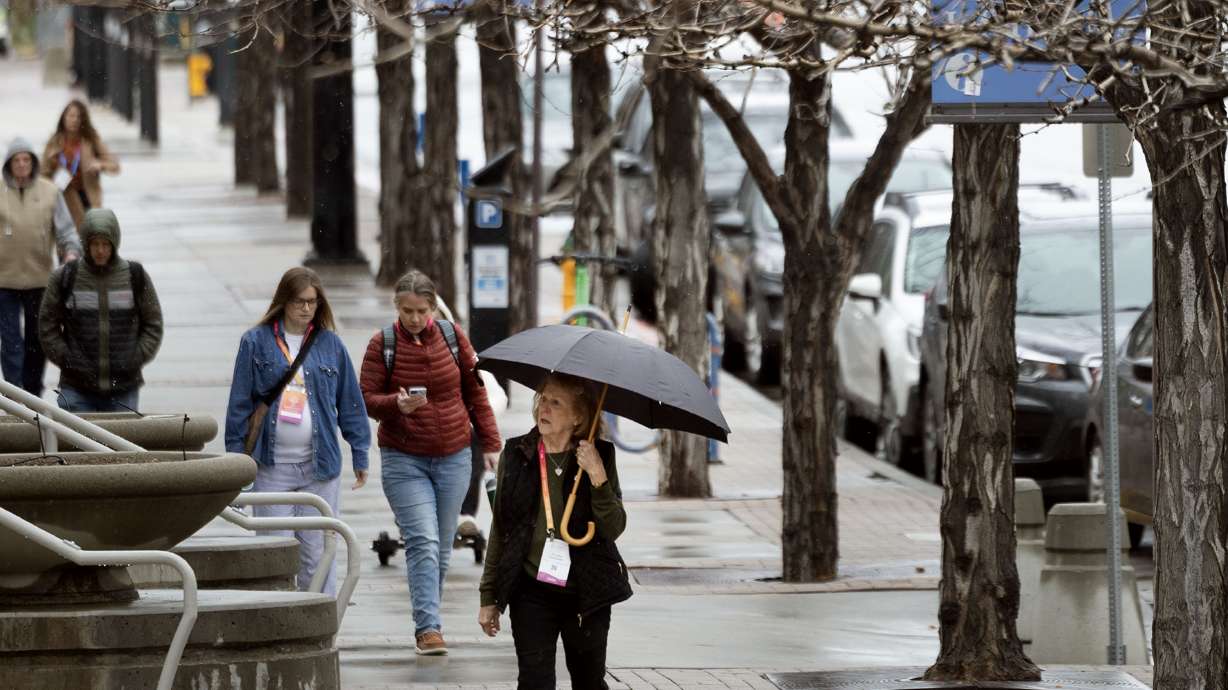
SALT LAKE CITY — After a prolonged dry spell, Utah's weather is shifting significantly with the approach of a powerful storm system. Over the past few days, this powerful system has delivered more than an inch of rain in various parts of the state and is expected to continue affecting conditions through the end of the week, bringing both rain and snow to areas across northern Utah.
A Stormy Start to April
As the storm swept in late Tuesday, it made a notable impact. Areas like Lindon and Payson reported over an inch of rain, while the Alta Ski Resort received close to a foot of snow by mid-afternoon on Wednesday. KSL meteorologist Matt Johnson emphasized the significance of this rainfall, stating, "These are big-time totals, especially after going 25 days with nothing."
The current storm is already tapering off, but a second system, predicted to arrive on Thursday, is set to usher in colder weather and additional precipitation to the northern half of Utah.
Preparing for the Second Wave
The National Weather Service has issued a winter weather advisory targeting the Wasatch and Western Uinta mountains, anticipating another foot or more of snow by Friday morning. Simultaneously, a freeze watch has been announced for the Wasatch Front and additional parts of Utah, indicating that temperatures are expected to plummet, heralding a notable shift in the weather.
This colder, low-pressure system is coming directly from the Gulf of Alaska and is expected to deliver snow at lower elevations compared to its predecessor. Johnson indicated that the initial rain mix might stick around until the cold front moves in, likely occurring between late morning and early afternoon on Thursday. As snow levels drop, elevations of around 5,500 to 6,000 feet could see significant snowfall, while scattered showers are predicted to persist throughout the day.
Expected Precipitation and Risks
The weather forecast suggests that the Wasatch Mountains could see an additional 6 to 12 inches of snow, particularly in the Cottonwood canyons, with possibility of lower accumulation in high-elevation communities like Park City. However, in many valley locations, snow accumulation may only yield a trace, with KSL models estimating another quarter to half an inch of rain across the Wasatch Front region.
Subsequently, as frigid air from the north engulfs these regions, the weather service warns of potential hazards for residents engaged in gardening or farming activities, particularly those who may have begun new plantings following a mild late March. Salt Lake City, for example, recorded an average temperature of 53.6 degrees last month—significantly surpassing the previous record from 2017.
Freeze Watch in Effect
From Thursday evening to Friday morning, the expectation is for temperatures across northern Utah, particularly the Wasatch Front and Tooele Valley, to dip into the mid-20s to low-30s. As a result, the freeze watch will be in effect, potentially impacting crops that are unprotected from the unexpected cold snap.
Residents are urged to take precautionary measures by:
- Protecting tender plants from frost.
- Draining in-ground sprinkler systems.
- Covering above-ground piping to prevent freezing.
Additionally, the cold front chill is projected to continue into Saturday morning, with estimated high temperatures not exceeding the 50s on Friday.
A Sunny End to the Weekend
Looking ahead, the forecast calls for a resurgence of drier and warmer conditions as we approach Easter weekend. Temperatures could rebound into the 60s and 70s, leading to a significant improvement from the frigid air currently sweeping through the state.
For the latest and more detailed weather updates, residents are encouraged to check out the KSL Weather Center.
In summary, as Utah prepares to weather a significant shift in conditions, officials advise staying informed and ready to adapt to the whims of springtime weather, ensuring safety and preservation of local agricultural efforts.
For those seeking further insights on weather changes impacting Utah's communities, explore related stories on weather advisories, outdoor safety, and developments regarding regional agriculture.