By Cassidy Wixom, KSL | Posted – Feb. 28, 2026
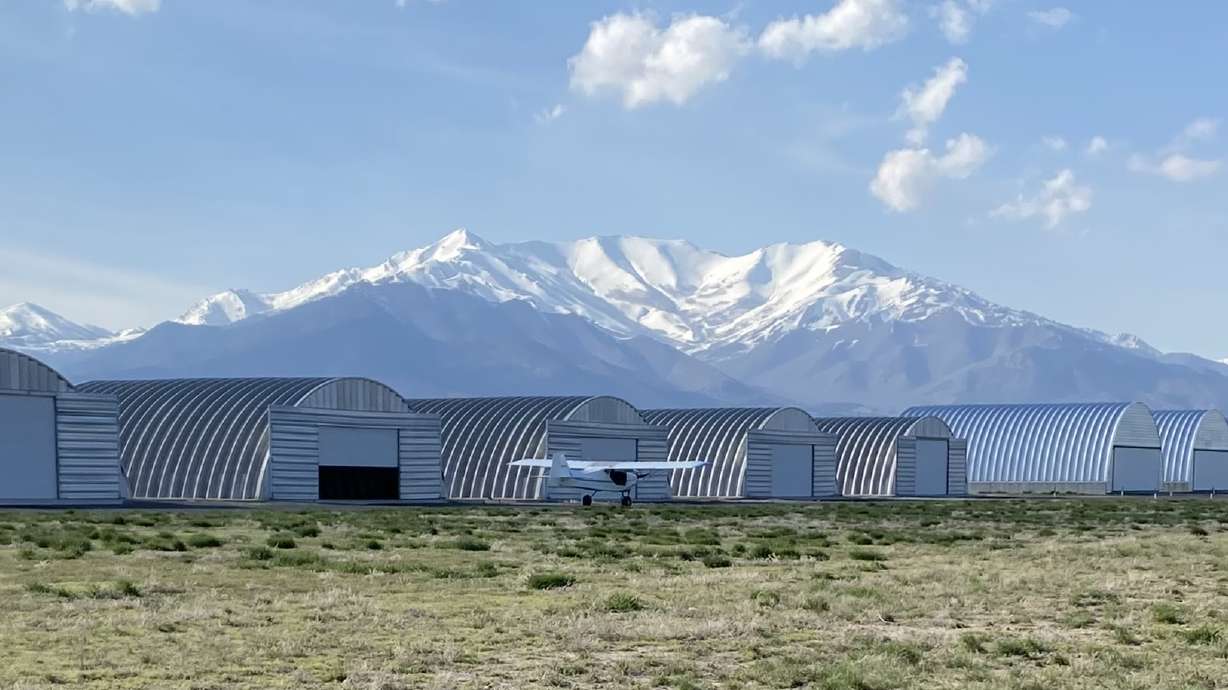
In the tranquil town of Fairfield, Utah—a tight-knit community of fewer than 150 residents—an escalating dispute is stirring emotions over a local airport’s expansion. The West Desert Airpark, the centerpiece of this uproar, sits within a rural landscape and has become a flashpoint for discord between aviation enthusiasts and concerned locals.
A Legacy of Aviation Community
Established in 2002 by four veterans with a passion for aviation, the West Desert Airpark aims to cultivate a grassroots aviation community. Over the years, it has hosted several educational events including internships, field trips, and pilot training, cementing itself as a vital part of the local culture. As Mark Pringle, one of the airpark's founders, noted, "We were one of the first that really built anything in the town."
Initially managed under Utah County, the airport came under the jurisdiction of the newly incorporated Fairfield town in 2004. In 2018, the airpark was officially designated as a public-use airport by the FAA, further solidifying its role as a civic space.
However, the airport’s growth trajectory has recently encountered pushback from residents who feel overwhelmed by the increasing traffic and noise associated with the facility.
Tensions Rise with New Developments
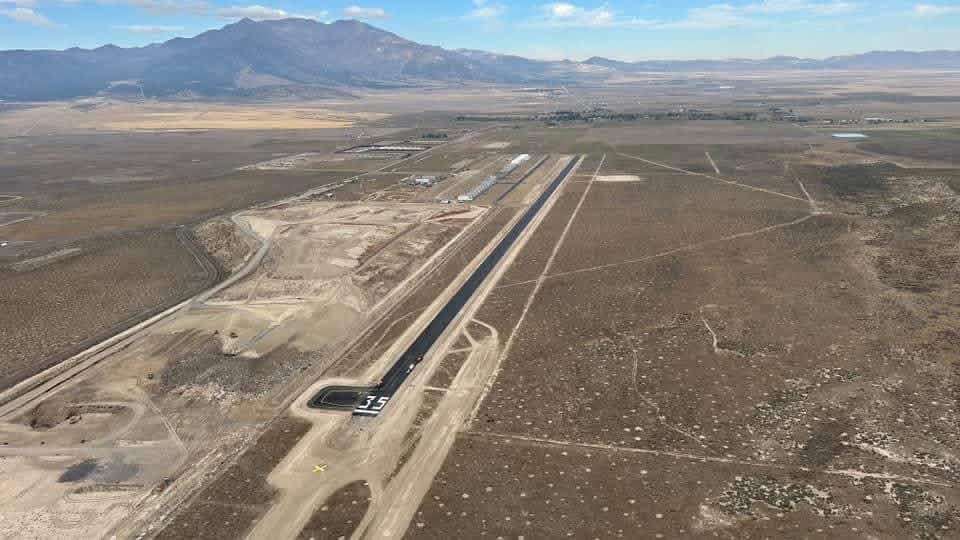
The friction began to escalate when the town modified the airpark's runway to comply with federal regulations, which were necessary due to the expansion of a nearby landfill. Recently, however, the town's administration has enacted a moratorium on airpark expansion decisions, claiming they need to clarify zoning regulations related to aviation.
"The town said yes, but now that we went public and there's more traffic, the residents are saying, ‘We don’t like the airplanes. Never mind,’" explained airport manager Alina Pringle.
In April 2025, the town passed a resolution halting all airpark-related applications to draft consistent aviation regulations after expressing concern over zoning issues. The tension reached a boiling point when Fairfield's council renewed the moratorium in September, leading to frustration among the airpark's management.
Mayor Hollie McKinney emphasized this as a quest for official documentation to ensure fair regulations for both the airport and its neighbors, stating, "From the town's perspective, this is about being fair to the airpark and fair to neighbors who are dealing with increased flights overhead."
Community Concerns
Fifty percent of the residents have signed a petition voicing opposition to the airpark’s growth, citing noise, safety, and privacy concerns from low-flying planes over their homes. The petition states that the airport has become "unfit for the community" and calls for reevaluation of its operations.
"We never agreed to having our peace, homes, and property rights be controlled by one person's personal interest," the petition reads, indicating a strong sentiment among residents seeking to maintain their quiet lifestyle.
A Plea for Understanding
Despite the growing resistance, the Pringles argue that much of the increased air traffic is due to the expansion of the Provo Airport, which contributes to congested airspace over Fairfield. They have reached out to residents with information about noise management practices and requested public feedback to mitigate community concerns.
"It’s a mom-and-pop-type setup airport, but we have a huge community that it supports," Mark Pringle said, defending the airpark as a significant contributor to local accessibility and economic balance.
Adding to the predicament, the airpark's business license renewal was denied in December under allegations that it was not in compliance with town regulations; a claim that airport representatives dispute. They maintain that they received proper permits and that state audits confirm their compliance with local ordinances.
The Broader Implications
As tensions mount, the fight isn’t just about an airport; it encapsulates larger issues surrounding rural infrastructure, community identity, and the balance between commercial growth and local lifestyles.
Alina Pringle pointed to the critical role of small airports in the national transportation framework, stating that they drive aviation growth and create economic opportunities. She emphasized the urgent need for the airport to remain operational for future pilots and the economic viability of the area.
"What’s at stake here goes beyond one airport," she articulated. "It speaks to how rural communities can either embrace or obstruct the kind of infrastructure that brings jobs, skills training, and connectivity to areas that need it most."
Conclusion
As Fairfield grapples with the conflicting interests of its residents and the aspirations of the West Desert Airpark, the outcome remains uncertain. The town must navigate this complex situation, balancing development with the community’s cherished tranquility—a challenge that will define the future of both the airport and its neighboring residents.
In an era where infrastructure clashes with community values, all eyes will be on Fairfield as it strives to find a solution that honors both its historical roots and modern growth needs.