By Carter Williams, KSL | Posted – March 3, 2026 at 9:04 p.m.
Salt Lake City has spoken, and the state legislature has listened. Just a day after a critical transportation bill stalled in the House Transportation Committee, it has been revived and refined in response to feedback from key stakeholders, including Salt Lake City’s mayor and the towing industry.
Quick Turnaround for SB242
The transportation bill, known as SB242, made headlines earlier this week when it unexpectedly failed to advance, resulting in a 4-4 vote in committee. However, rapid consultations and significant modifications led to its resurgence on Tuesday, garnering a strong 9-1 vote to advance further in the legislative process.
"This is a better bill for Salt Lake City than where we are with SB195 from last year's legislative session," said Salt Lake City Mayor Erin Mendenhall during her testimony. The revisions to SB242 were especially praised for addressing concerns raised by both the city and the towing industry.
Mendenhall, along with local towing representatives, expressed gratitude for the bipartisan collaboration demonstrated by the bill's sponsors, Sen. Wayne Harper (R-Taylorsville) and Rep. Kay Christofferson (R-Lehi). The adjustments were viewed as not only beneficial for logistical alignment but also crucial for urban safety and traffic management.
Key Modifications to the Bill
The newly adjusted SB242 encompasses a broad spectrum of transportation law changes, including new rules and funding mechanisms across various projects statewide. Some pivotal changes that contributed to the bill's revival included:
-
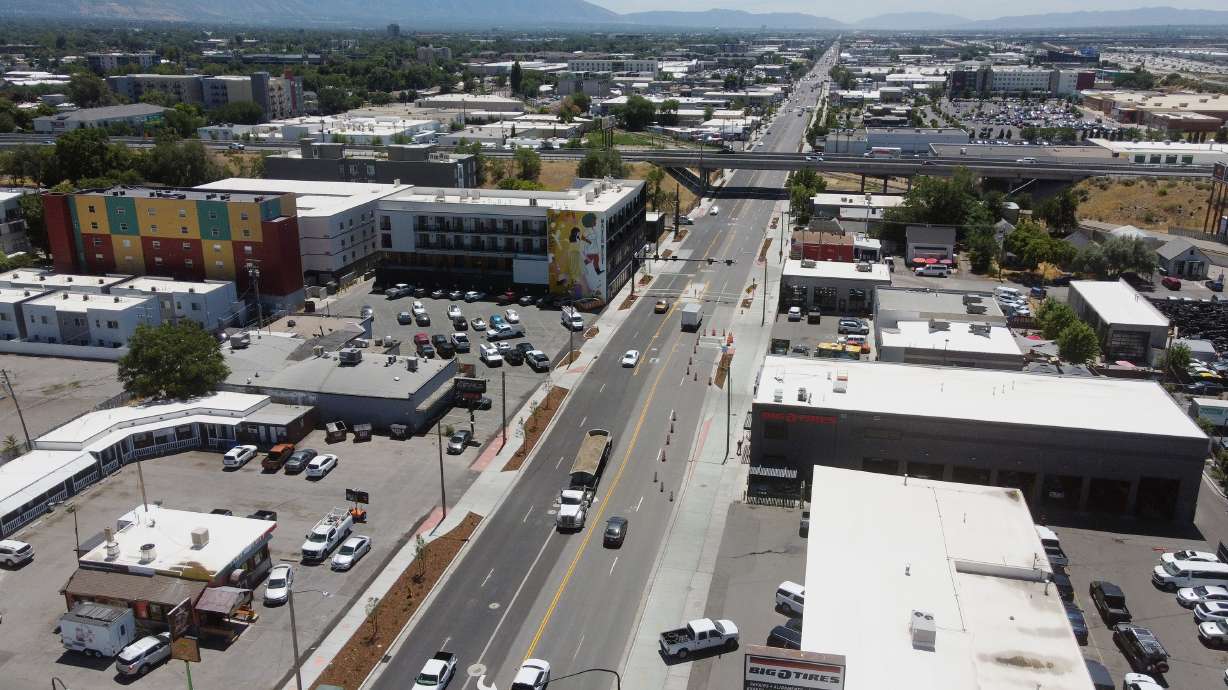
Highway Reduction Strategies: The previous provision restricting Salt Lake City from implementing highway reduction strategies has been softened. The new language emphasizes collaboration between Salt Lake City and the Utah Department of Transportation (UDOT), allowing city corridors to be addressed more flexibly.
-
Towing and Dispatch: The bill continues to allow the Utah Highway Patrol to utilize third-party vendors for tow truck dispatching. This move aims to enhance response times and reduce the burden on police resources.
-
Traffic Calming Projects: The adjustments clarify that UDOT respects local initiatives aimed at traffic calming and does not intend to dismantle any existing projects. Instead, they may assist with new signage or enhancements for better public understanding.
These changes seem to bridge the gap between municipal desires for autonomy and state-level oversight, something expressed by House Minority Leader Angela Romero (D-Salt Lake City). Romero voiced her opposition due to concerns that the bill impacts the city's decision-making powers regarding their roads.
Next Steps for SB242
As the bill proceeds to the full House for consideration, it is essential that it receives approval before the end of the legislative session to become law. If successful at this stage, it will return to the Senate for final confirmation of the modifications.
"This current bill further solidifies what is really a strong relationship between UDOT and the capital city," Mendenhall concluded, reinforcing the collaborative spirit that has characterized the recent legislative changes.
In a political landscape often marked by contention, the swift turnaround of SB242 demonstrates the potential for compromise and cooperation among all parties involved.
Related Articles
- Massive Utah transportation bill stalls in House amid various concerns
- Collaboration or takeover? Bill that increases Utah input on Salt Lake City streets advances
As the legislative process continues, all eyes will be on how SB242 can adapt to the multifaceted needs of Utah's rapidly growing urban environment.