By Tim Vandenack, KSL | Posted – Dec. 13, 2025
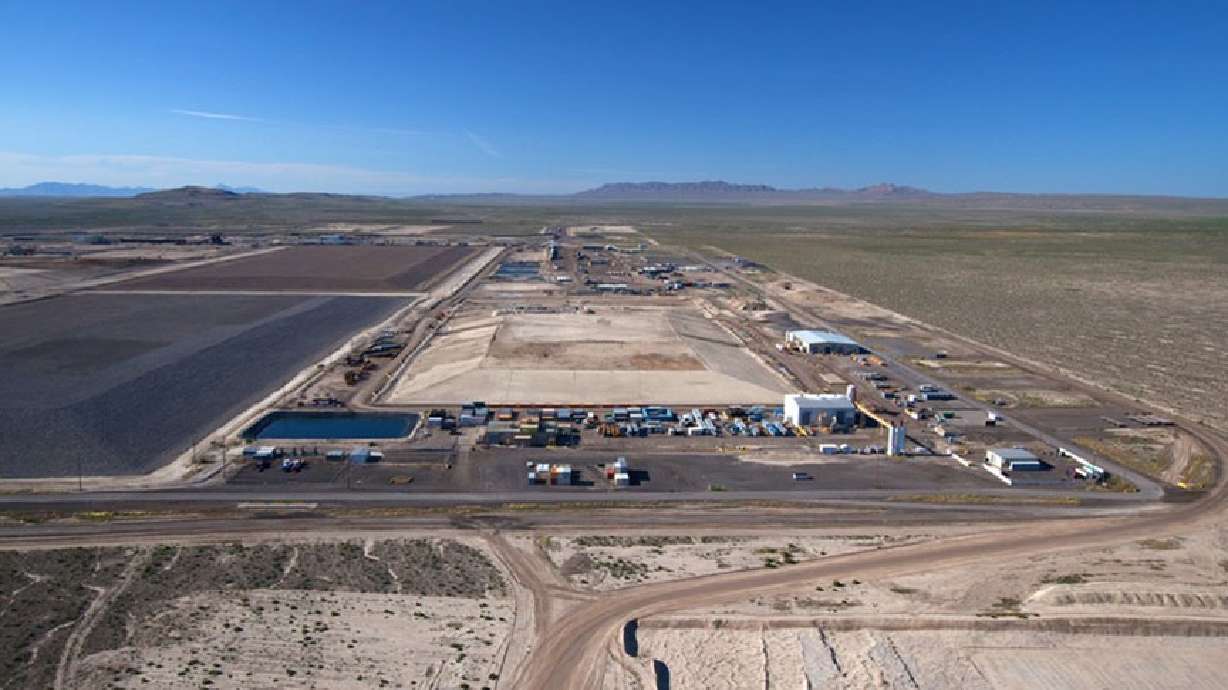
SALT LAKE CITY — A proposed initiative by EnergySolutions, a Utah-based company, to import 1.31 million cubic yards of low-level radioactive waste from Ontario, Canada, for disposal at its facility in Tooele County has raised alarms among environmentalists and community leaders. As discussions for this controversial project begin to unfold, stakeholders are divided over the implications for public safety and environmental integrity.
The Proposal: What’s at Stake?
EnergySolutions aims to receive this significant volume of waste—generated primarily from the civilian nuclear power industry—to be deposited at their Clive facility, located approximately 80 miles west of Salt Lake City. The company asserts that this initiative will bolster the local nuclear energy sector and promote economic growth.
According to a presentation by EnergySolutions, the state of Utah is reportedly in favor of this plan, suggesting potential benefits for the nuclear industry in the region. Utah's leadership has increasingly expressed support for expanding nuclear power capabilities, highlighted by recent announcements about new nuclear power facilities planned for the Brigham City area.
However, the proposal is set to be a topic of considerable scrutiny during a meeting of the NorthWest Interstate Compact on Low-Level Radioactive Waste Management scheduled for December 19. This regulatory body plays a pivotal role in determining the future of waste management policies in the region.
Environmental Concerns: Voices of Opposition
Many environmental advocates are apprehensive about the implications of accepting waste from outside the U.S. Carmen Valdez, a senior policy associate at the Healthy Environment Alliance of Utah (HEAL), articulated significant concerns over the logistical and safety aspects of transporting such a large quantity of potentially hazardous material.
Valdez emphasized the uncertainties surrounding the types of waste that would be transported. “We do not know exactly what the waste will be. The volume is extremely large, and it includes mixed waste—both radioactive and hazardous chemical waste,” she noted. This has led to fears that new, larger disposal cells may be needed at the Clive facility, increasing the site’s footprint and environmental risks.
Another aspect of concern is the precedent that might be set by allowing foreign waste into Utah. Valdez warned that this could open the door for Utah to become a global dumping ground for radioactive materials. Past attempts to import international waste faced significant backlash, resulting in their rejection.
The Nature of Low-Level Radioactive Waste
EnergySolutions aims to manage class A low-level radioactive waste, which includes a variety of materials such as contaminated filters and tools used in nuclear facilities. Notably, class A waste is classified as having a lower level of radioactivity than class B or C waste, and it is said to lose its hazardous properties within a century, per guidelines established by the U.S. Environmental Protection Agency.
Yet, Valdez cautioned that despite its lower classification, the waste remains dangerous due to the long-lived isotopes that necessitate strict handling and containment practices. The potential risks associated with transporting this waste—from accidents during transit to the security of the disposal sites—add to the gravity of this situation.
Public Engagement and Regulatory Approval
The debate surrounding this proposal is far from settled. In a preliminary meeting of the Northwest Interstate Compact on November 25, numerous commenters from Utah, other states, and Canada expressed their opposition to the import plan. The upcoming December 19 meeting is expected to further explore community concerns and evaluate the regulatory framework needed for such an operation.
In addition to the Compact's approval, EnergySolutions will need to obtain a licensing agreement from the U.S. Nuclear Regulatory Commission and appropriate permissions from Canadian authorities to move forward with importing foreign waste.
Conclusion
With Utah's energy future potentially tied to the expansion of the nuclear sector, the proposals by EnergySolutions present a multifaceted dilemma involving economic growth, environmental sustainability, and public health. As stakeholders prepare for crucial discussions, the implications of these decisions will echo well beyond the state’s borders.
For further updates on this story, including the outcomes of the upcoming regulatory meetings, follow our coverage.
Related Stories
-
Creekstone Energy studying nuclear power to support world's largest data center campus in Utah
-
Gov. Cox announces preliminary plans for nuclear power facility in the Brigham City area
Stay Informed
To keep abreast of this developing story, subscribe to our newsletter for updates directly to your inbox.