



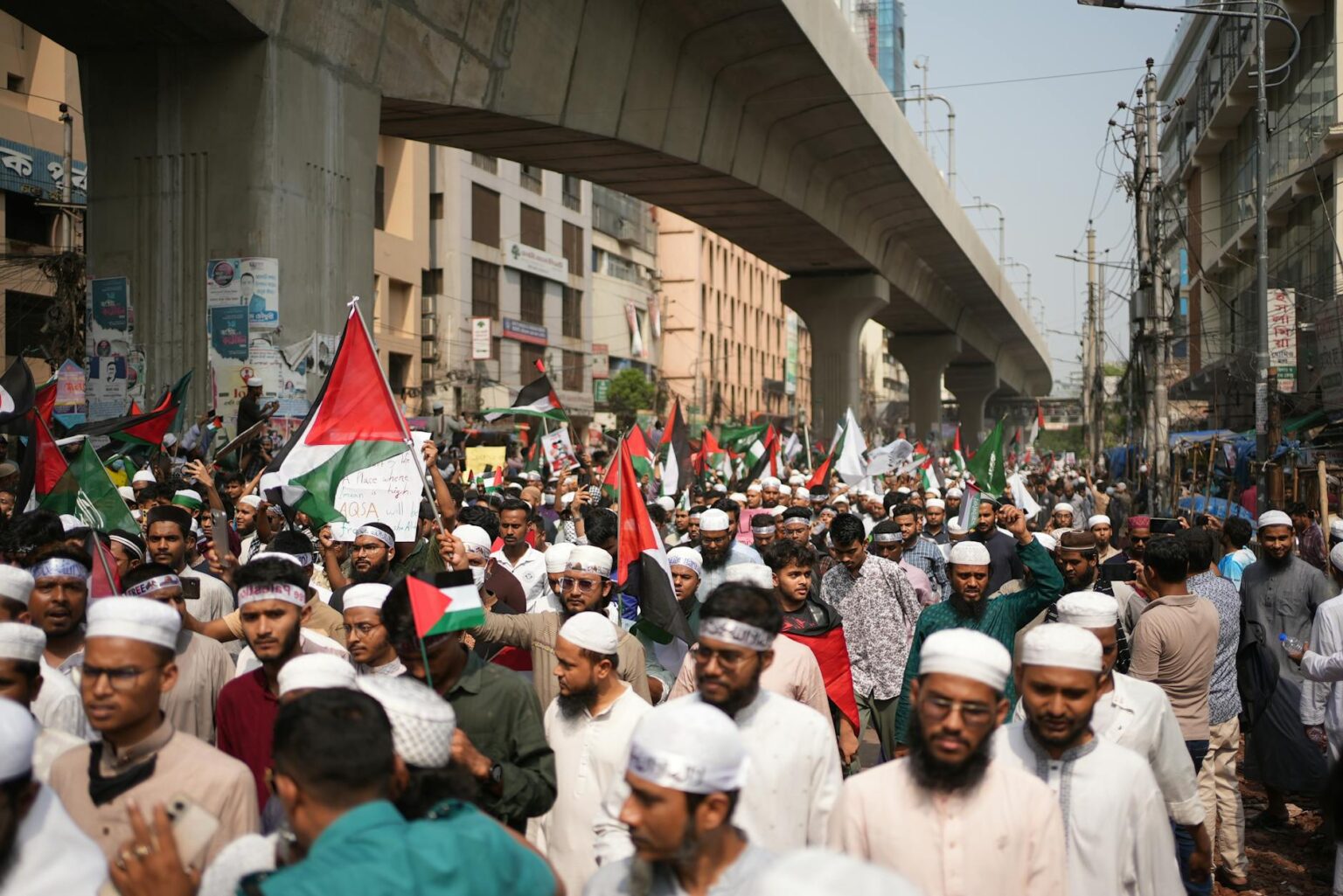
In a dramatic turn of events, Israel has been cleared to participate in the 2026 Eurovision Song Contest, sparking outrage and a mass withdrawal of several countries, including Spain, the Netherlands, Ireland, and Slovenia. The backlash stems from the ongoing conflict in Gaza, with protests mounting against the decision to allow Israel to take part in the internationally beloved music competition.
The Context of the Controversy
The Eurovision Song Contest, known for its celebration of diversity and music, has become the stage for political turmoil, particularly given the backdrop of the Gaza conflict. As tensions escalated, countries began to voice their concerns regarding Israel's participation. Spain, Ireland, and other nations have formally announced their withdrawals from the contest in protest, with many citing humanitarian concerns relating to the conflict that has intensified in recent months.
Supporters of the boycott argue that allowing Israel to compete is tantamount to endorsing its military actions in Gaza, which have drawn international condemnation for their impact on civilians. Activists have rallied for a collective response from the international community, emphasizing the need for greater oversight and accountability in the region.
Responses from the Eurovision Community
Various reactions have emerged from within the Eurovision community itself, including heated debates on social media platforms, with fans divided on the issue. Advocates for the boycott emphasize that music and politics cannot be separated, especially when lives are at stake. Proponents argue that art must reflect social justice, advocating for the values of compassion, inclusivity, and peace which the contest is generally thought to represent.
On the other hand, supporters of Israel's right to compete argue that the Eurovision is a platform for artistic expression that should be free from political entanglements. They insist that punishing artists for the actions of their governments creates a dangerous precedent for future international cultural exchanges.
The Broader Implications
This controversy is reflective of larger geopolitical tensions that are increasingly infiltrating cultural spaces around the globe. Events that once fostered unity and celebration are now subjects of division and conflict. The Eurovision Song Contest has witnessed similar protests in the past, but the scale of the current boycott is unprecedented, demonstrating the increasing intersection of politics and entertainment.
Given that the Eurovision is watched by millions around the world, the stakes are high not only for the countries involved but also for the future of international artistic collaboration. The fallout could prompt significant changes in how cultural events are organized and perceived in politically charged climates.
Looking Ahead
As Eurovision organizers attempt to navigate this complex terrain, the potential implications for the contest moving forward remain unclear. Will the call for boycotts prompt a reevaluation of participant eligibility based on political actions? Or will countries continue to engage in the contest despite escalating global tensions?
Only time will tell how this situation unfolds, but it is clear that the 2026 Eurovision Song Contest will serve as a critical litmus test for the interaction of art and politics in today's increasingly interconnected world.
For further coverage on this developing story, visit KSL News.



