




By Tim Vandenack, KSL | Posted – Dec. 16, 2025, at 10:00 a.m.
Estimated read time: 3-4 minutes
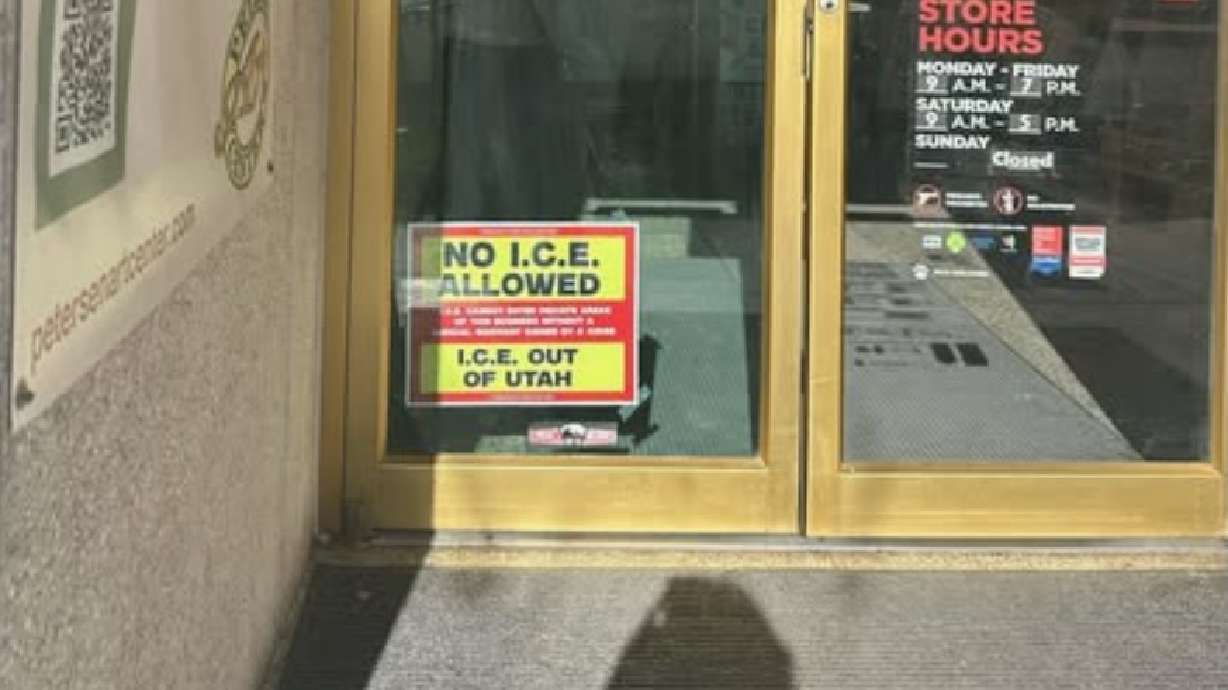
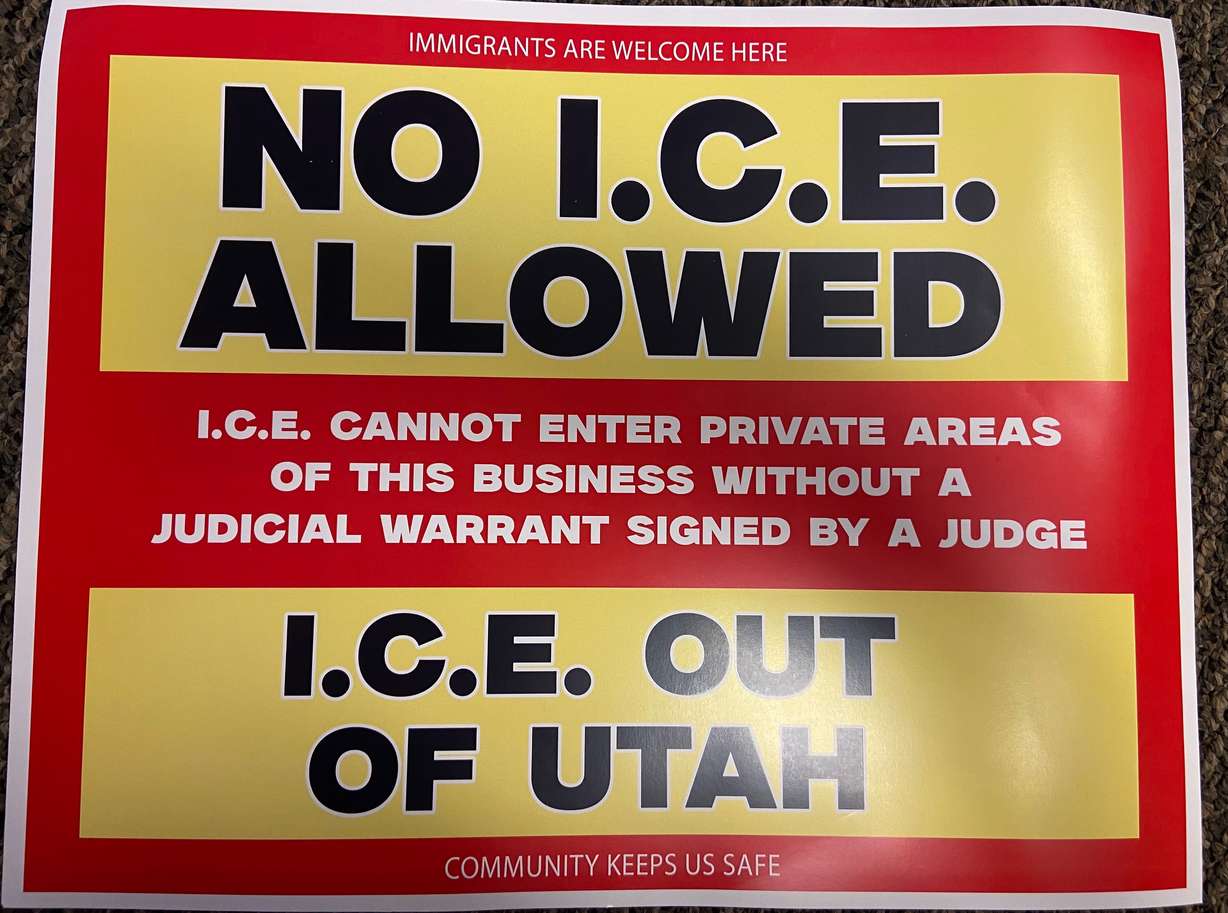
As tensions rise over ongoing immigration enforcement actions, two grassroots organizations in Utah have initiated a campaign aimed at countering the crackdown imposed by U.S. Immigration and Customs Enforcement (ICE). The campaign, led by Comunidades Unidas and Salt Lake Indivisible, involves distributing bold signage that reads "No ICE Allowed" and "ICE Out of Utah" to businesses across Salt Lake City and West Valley City.
The Campaign's Goals
Dominique Byrd, the executive director of Comunidades Unidas, emphasizes that the signs serve dual purposes. "They stand in solidarity with our community, showing that this business welcomes immigrants and does not agree with enforcement actions," Byrd explains. "Moreover, they inform business owners of their rights concerning these immigration enforcement activities."
The signs display messages such as "Immigrants are welcome here" along with a directive against ICE, aiming to foster a sense of safety and support within immigrant communities. To date, approximately 400 signs have been distributed, predominantly in neighborhoods such as Rose Park, Fairpark, and Sugar House.
The Impact of Immigration Enforcement
The initiative comes as the climate for immigrants in Utah has intensified due to heightened enforcement actions by ICE, leading to a palpable atmosphere of fear among immigrant communities. According to Byrd, many businesses catering to such clientele have reported drops in foot traffic, as potential customers become wary of public spaces. The campaign seeks to combat this fear, offering reassurance that participating businesses are supportive and protective of their rights.
The rise in enforcement has sparked a backlash against the Trump administration's rhetoric that paints illegal immigration as a public safety threat. "Many view these enforcement actions as inhumane and heavy-handed," Byrd asserts, as many advocates argue that the policies disproportionately affect vulnerable populations.
Legal Insights and Business Owner Rights
Additionally, the campaign aims to educate business owners about their rights concerning ICE operations. Utah Rep. John Arthur, a supporter of the initiative, stresses that immigration officials cannot enter private properties without a judicial warrant. "If ICE shows up at your place of business, they must show a judicial warrant to proceed," Arthur relayed on social media. "Maintain your right to say 'No' if they cannot provide that warrant."
This educational aspect of the campaign equips business owners with knowledge that can protect not just themselves, but also their patrons—many of whom may reside in the shadows due to their undocumented status.
Community Responses
While the signs are a source of pride for many, Byrd acknowledges the inherent risks of posting them. Displaying such signs may attract unwanted attention from immigration authorities. However, Byrd insists that the campaign is primarily about education and empowerment. "If people don’t want to post the signs, we respect that; the key is to provide the education," she states.
The long-term impact of the sign campaign on ICE’s enforcement actions remains uncertain; however, it firmly establishes a stance against what many perceive as aggressive tactics by the agency. The effort to reinforce the welcoming message for immigrants illustrates a growing solidarity among business owners and advocates.
Conclusion
As Utah continues to navigate the complexities of immigration enforcement, initiatives like the "No ICE Allowed" campaign reflect a vital resistance to policies perceived as unjust. These grassroots efforts aim not only to support undocumented individuals but also to educate the community on their rights and the importance of standing together in solidarity.
For related local news on immigration advocacy, check out more articles available on KSL.
Additional Reading
Related Topics
For continued updates on local immigrant issues, subscribe to our newsletter for insightful stories and community events.

Tim Vandenack covers immigration and multicultural issues for KSL. His extensive reporting experience includes years spent in Mexico and Chile, bringing a global perspective to his local coverage.



