



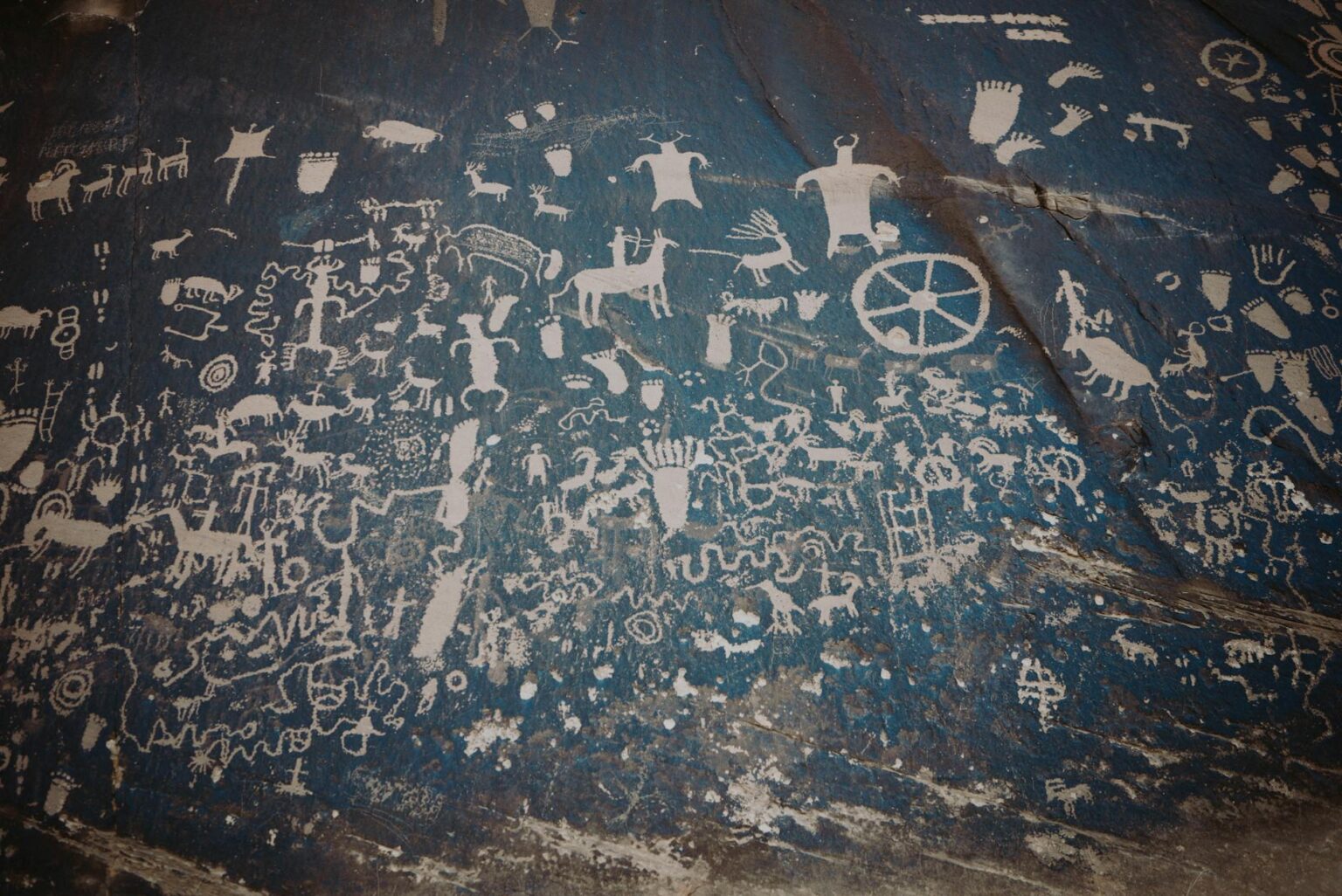
In a significant act of restoration and reconciliation, a 2,500-pound petroglyph rock, sacred to the Shoshone Nation, has made its way back to its rightful place near the Utah-Idaho border, 80 years after being removed from its original location. The return, expedited by the Church of Jesus Christ of Latter-day Saints, marks a pivotal moment in addressing historical injustices faced by Native American tribes regarding their cultural heritage.
A Journey of Reclamation
The story of the petroglyph rock unfolds in the 1940s when it was reportedly taken from U.S. wildlands and brought to a Latter-day Saint meetinghouse in Tremonton, Utah. Historical accounts indicate that the rock may have been removed by either a group of men or a band of Boy Scouts during a period when awareness regarding the significance of Indigenous artifacts was grossly lacking. According to Ryan Saltzgiver, the Church History Department's history sites curator, the relocation of the rock was a product of what many now recognize as a "lack of proper understanding."
For decades, the petroglyph, engraved by the ancestors of the Northwestern Band of Shoshone Nation more than 1,200 years ago, remained outside the Tremonton church, largely unrecognized for its cultural importance. However, it wasn't until 2011 that amateur archaeologists commenced a quest to trace the rock’s origins, ultimately linking it back to the Utah-Idaho border with the help of a 1937 rock-art survey.
Coordination and Conservation Efforts
The repatriation efforts encountered numerous complications due to the involvement of various parties, including state historians, church officials, and the Northwestern Band of the Shoshone Nation. This complex situation meant that the process spanned over a decade. Saltzgiver emphasized that while the Church had no legal obligation to return the artifact, it recognized a moral and ethical duty to do so, especially given the sacredness of the stone.
With assistance from the Utah State Historic Preservation Office, the petroglyph was safely removed from its concrete foundation and transported to Provo for cleaning and restoration. Experts carefully removed lichen from the rock’s surface to reveal the engravings that carry deep spiritual significance for the Shoshone. "We want to make those visible and appreciable by the people who find value in this, which is also us," said conservator Megan Randall from the Midwest Art Conservation Center, tasked with the intricate restoration.
A Sacred Ceremony
On December 11, 2025, the return culminated in a deeply respectful ceremony attended by representatives from the Northwestern Band of Shoshone Nation. The relocation of the rock was not just a physical journey but an emotional event, described by Brad Perry, vice chairman of the Tribe, as a means of "rebuilding our history."
The repatriation was facilitated by a helicopter to safely transport the sizable stone back to its original location, where it rejoined other petroglyphs that also tell the stories of the Indigenous peoples of the region. "That rock wanted to be home," Perry remarked, reflecting on the emotional resonance of the moment.
Moving Forward
The return of the petroglyph rock is a step toward healing and recognition of the cultural heritage of Native American tribes across the United States. As the Shoshone Nation continues to reclaim pieces of their storied past, they are fostering a greater understanding of their history among broader communities, emphasizing the importance of respecting Indigenous artifacts and acknowledging historical wrongs.
This event serves as a reminder of the critical importance of cultural heritage preservation and the responsibility we all share in honoring and returning sacred objects to their rightful owners. The repatriation of this petroglyph is not merely about the physical artifact but represents a deeper reconnection to identity, history, and respect.
For more information about the Shoshone Nation and similar repatriation efforts, you can visit resources like the Utah State Historic Preservation Office.
Conclusion
Events like these highlight the growing awareness and commitments towards rectifying historical injustices faced by Indigenous communities. The act of returning the petroglyph rock embodies a movement toward reconciliation and a future that acknowledges and respects the roots of America’s first peoples.



