




By Carter Williams, KSL | Posted – Dec. 20, 2025 at 10:02 a.m.
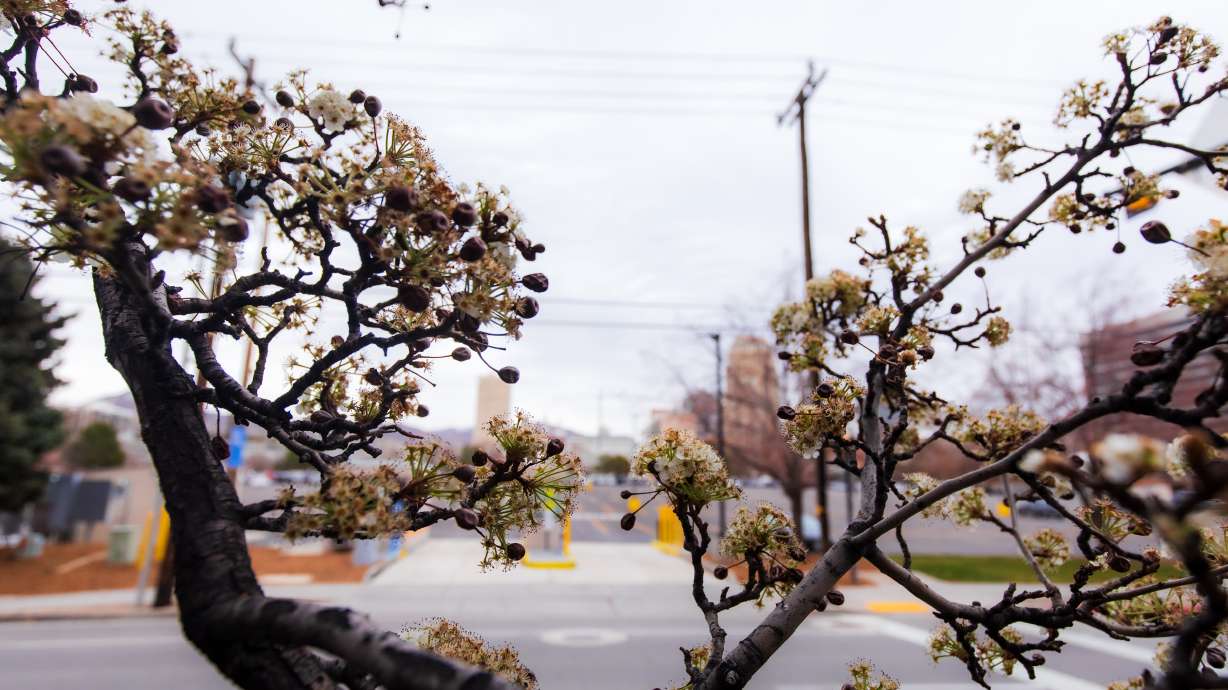
As the winter solstice approaches this Sunday, Utah's landscapes are surprisingly adorned with premature spring blossoms. Reports are pouring in of trees and plants, particularly pear blossoms, emerging in December, prompting a wave of curiosity among both residents and experts.
A Milder December
Salt Lake City is on track to experience its warmest December since records began in 1874. The average high temperatures have hovered around 51 degrees Fahrenheit, with the month averaging 42.1 degrees through the first 18 days. These temperatures are typically more aligned with early March rather than the peak of winter, effectively altering the seasonal clock for local flora.
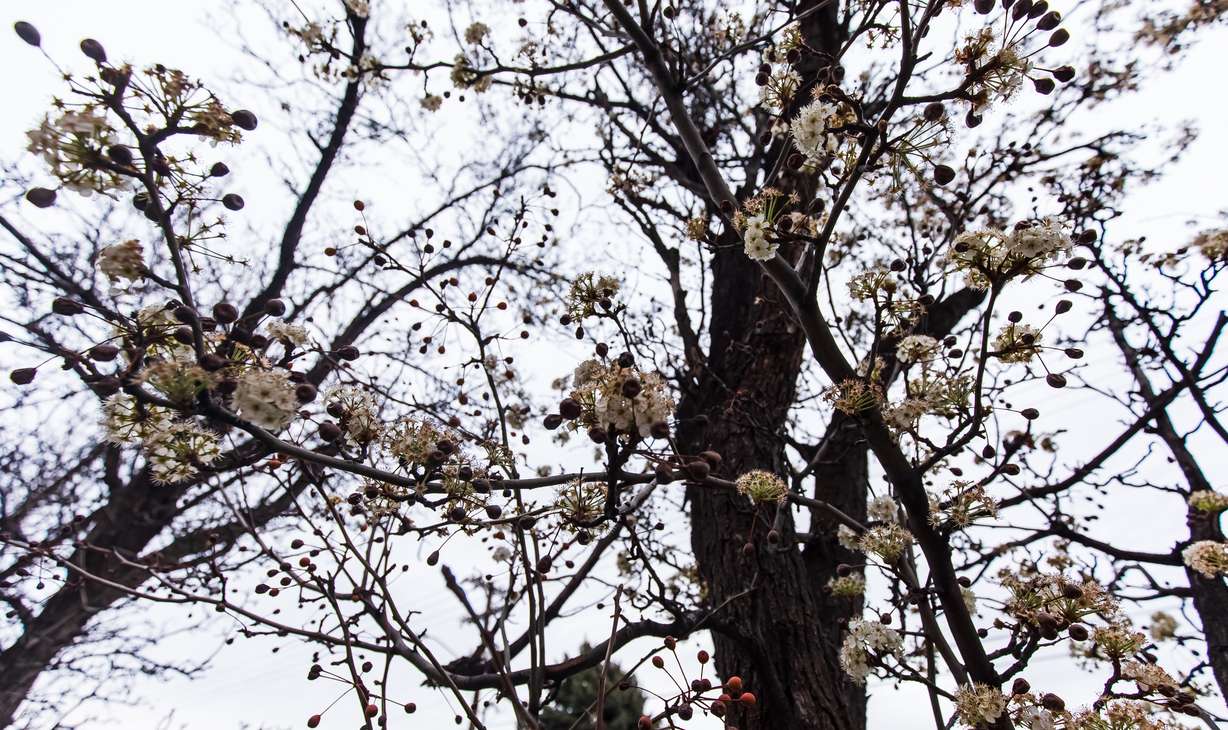
According to Tony Gliot, Salt Lake City's urban forester, this phenomenon isn't unusual. “Occasionally, they will just simply flower this time of the year,” he explains, noting that pear trees are particularly susceptible to early blooming under these milder conditions. Residents have started to notice these developments, with many sharing their observations on social media.
Understanding the Science Behind Early Blooms
The early blooms are not a cause for alarm, as experts clarify that such occurrences can happen when weather conditions are favorable. Gliot reassures the public, stating that “those trees themselves are healthy,” and that the warmer temperatures experienced this fall do not indicate a stress response among the trees.
Warmer weather can interfere with trees' internal processes, nudging them out of dormancy prematurely. According to sources from Covington Nursery in Texas, fruit trees typically need consistent temperatures below 45 degrees to ensure a proper blooming cycle. The shift in temperature blindsides the trees' biological clocks, resulting in this unusual activity.
Perennials show similar behavior, responding to cues that mimic early spring, which might trigger a bloom cycle prematurely, as supported by insights from horticultural experts at Garden Therapy.
Historical Context
The current conditions follow an extraordinary November, which was noted for being record-breaking in terms of warmth and moisture levels across the state. Salt Lake City's October was recorded as the wettest ever, with over 5.12 inches of rain, significantly aiding plant growth.
Despite the unseasonal blooms, there's a silver lining for the trees, as they will have another opportunity to flower come spring. Experts caution, however, that these early blooms could potentially mean that the trees may not bloom as vigorously in the healthier spring season.
Moreover, perennials are well-equipped to handle temperature fluctuations: when temperatures dip below freezing, they can retreat their energy back to their root systems, protecting themselves against severe cold snaps.
Conclusion
As Utah embraces these uncharacteristic December blooms, residents can take solace in the reassurance provided by experts: early flowering does not denote a tree's distress. Rather, it reflects a broader trend linked to changing climate patterns — a conversation worth having as communities across the globe face the reality of climate change and its impact on seasonal norms.
Additional Weather Coverage
For those curious about additional weather events, be sure to stay informed with KSL's latest weather stories.

Carter Williams is a reporter for KSL, covering a range of topics including the environment, transportation, and weather dynamics throughout Utah.



