By Bridger Beal-Cvetko and Daniel Woodruff, KSL | Posted – Jan. 14, 2026 at 10:05 a.m.
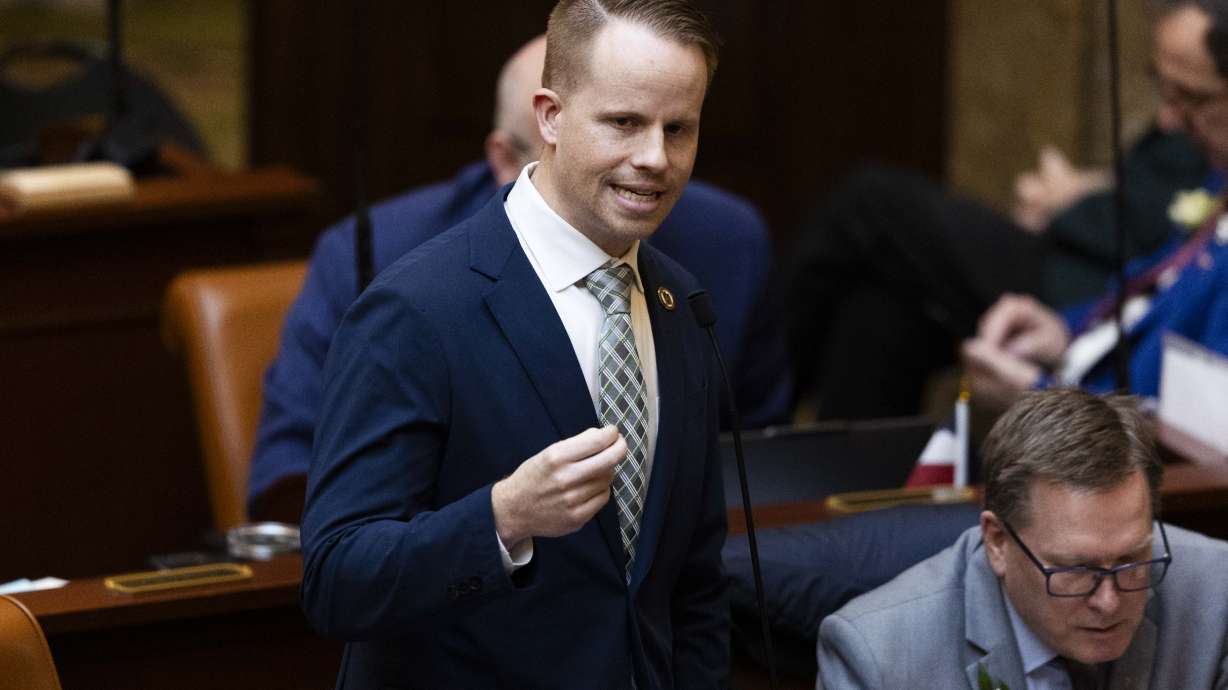
SALT LAKE CITY — A firestorm of controversy has surrounded Utah state Rep. Trevor Lee after remarks he made on social media regarding Democratic congressional candidate Liban Mohamed. In the wake of these comments, several Republican lawmakers have come to his defense, igniting a heated debate within Utah’s political landscape.
The Origins of Controversy
Rep. Lee, a Republican from Layton, sparked backlash following a post on X (formerly Twitter) where he responded to a campaign video by Liban Mohamed, a candidate running in Utah’s newly-drawn 1st Congressional District. Mohamed, whose parents are Somali immigrants, became the focus of Lee's comment: “This is what happens when past policies to incentives (sic) foreigners and not protect your culture run unchecked.” This statement triggered a wave of criticism online, including accusations of racism, particularly after KSL reported on the negative responses to Mohamed's video.
The controversy escalated when a constituent, Chad Iverson from Salt Lake County, sent an email to all 104 members of the Utah Legislature requesting they censure Lee for his comments. Iverson likened the situation to previous actions taken against other public figures for similar behavior, urging Republican colleagues to stand against what he described as "ugly, vile bigotry and racism."
Lawmakers Rally to Support Lee
In response to Iverson’s call for censure, several GOP lawmakers defended Lee in a diversely opinionated email exchange. Sen. Derrin Owens of Fountain Green questioned the validity of claims against Lee, asking for specific evidence to substantiate allegations of racism. He emphasized the necessity for concrete proof before any actions of reprimand could be considered.
Rep. Troy Shelley appeared to misunderstand the nature of the complaint, addressing Lee's "bill" despite the original email focusing solely on Lee's comments rather than any legislative proposals.
Rep. Nicholeen Peck, also a supporter, emphasized that Lee’s forthrightness and ability to express his thoughts honestly were valuable traits in a leader. “Even if I don’t agree with someone,” she stated, “I’m always glad when they are honest enough to share their real thoughts.”
Other lawmakers echoed the sentiment of due process, arguing that censure would require clear evidence of ethical violations or misconduct, which they claimed were absent in this instance. Sen. John Johnson asserted that constituents dissatisfied with a representative's conduct could choose to replace them at the polls.
The Backlash from Democrats
While Republican lawmakers rallied to defend Lee, Democrats, including Sen. Nate Blouin, took to social media to voice their concerns. Blouin highlighted the email exchange's focus on defending Lee rather than addressing pressing issues such as air quality or community safety. He tweeted, mocking the prioritization of defending a colleague over the significant concerns affecting constituents.
In light of the backlash, Lee defended his remarks, stating that accusations of bigotry and racism were unfounded. He reiterated that his comments pertained to the enforcement of immigration laws and protecting American culture, arguing for a narrative around shared values.
Public Discourse and Reaction
The involvement of GOP lawmakers in defending Lee raises questions about the dynamics of public discourse in political arenas. The responses within the legislature have underscored a growing divide over social media's role in politics and the responsibility of public officials in maintaining decorum.
Iverson's push for accountability among lawmakers has triggered discussions about the moral and ethical responsibilities of elected representatives. As Utah's political landscape continues to evolve, the clash between those who advocate for free speech and those who demand accountability will likely remain a critical issue impacting future legislative sessions.
Related Stories
As the debate over Rep. Lee's comments continues to unfold, the ramifications for Utah's political culture and the principles underpinning public representation remain to be seen.