




By Arianne Brown, KSL | Posted – March 19, 2026 at 8:05 a.m.
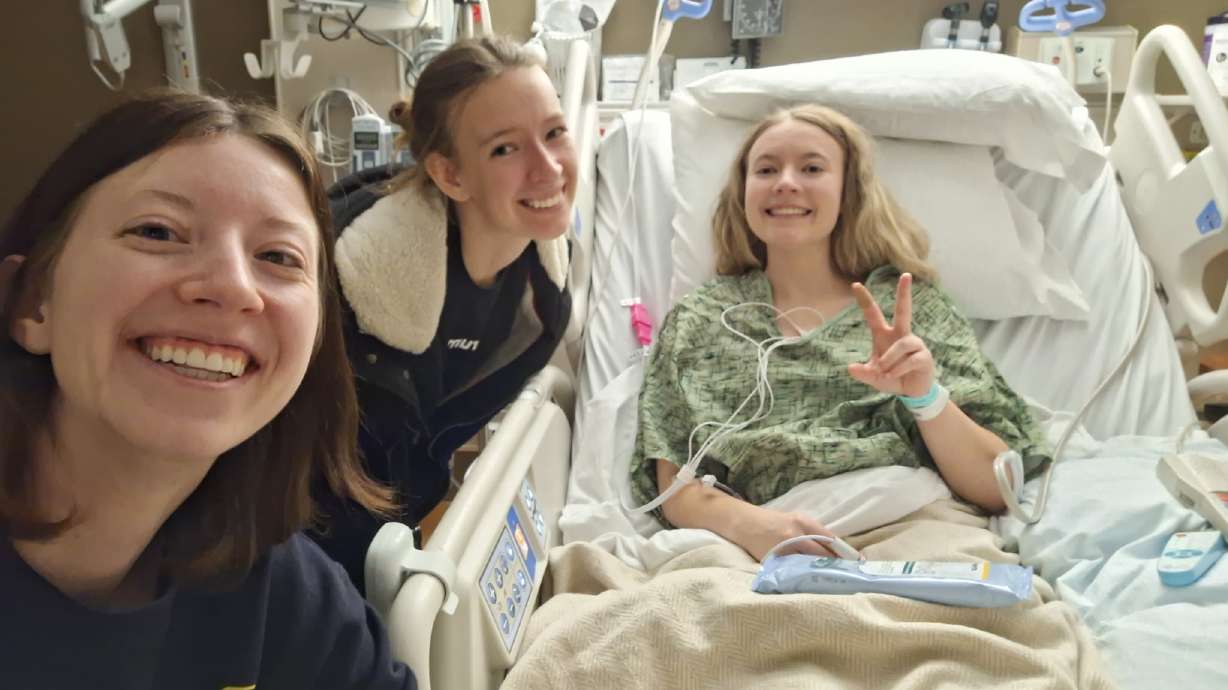
SANTAQUIN — In a remarkable turn of events, a local teenager is using her experience to raise awareness about stroke symptoms after successfully diagnosing her stroke—a rare occurrence for someone her age. Eighteen-year-old Gretl Talbot, a senior at Payson High School, took swift action on February 21 when she noticed her right hand going numb while preparing to go ice skating.
Recognizing the Signs
"I was just in the back room with the door locked, and all of a sudden, my right hand just kind of went numb," Talbot recalls, initially brushing it off as a joke, thinking to herself, “Man, I must be having a stroke.” However, it quickly became clear that something was seriously wrong when her hand did not respond as usual.
Talbot’s knowledge in recognizing the signs of a stroke came from a recent Certified Nursing Assistant (CNA) training course she had completed. She remembered the acronym "FAST," which stands for Face drooping, Arm weakness, Speech difficulties, and Time to call for help. Using this framework, she checked her visage in the mirror and confirmed her fears when she noticed her face was drooping.
"I unlock the door and shout for my sister, 'Stroke!' but my speech was super slurred, making it difficult for her to understand me," she said, emphasizing the urgency of the situation. Talbot's sister called for an ambulance, which arrived within minutes.
Swift Medical Response
Time was of the essence. Once at the hospital, Talbot was informed about the importance of administering a specific medication called TNK (tenecteplase) within a critical timeframe to dissolve the blood clots that were blocking blood flow to her brain. Having just turned 18, she had to make the medical decision for herself.
"They were explaining the TNK medication to me, and I immediately said ‘Yes.’ As soon as they started giving it to me, I felt improvement almost instantly," she explained.
After spending a night in the intensive care unit, doctors performed tests and discovered a congenital heart defect—a hole in her heart—that had gone unnoticed for years, can be a contributing factor to strokes.
Spreading Awareness
Although strokes are generally perceived as conditions affecting older individuals, Talbot's case underscores the need for awareness across all age groups. Inspired by her experience, she aims to educate others on recognizing stroke symptoms. Her medical team introduced her to an expanded version of the FAST acronym, which adds two additional symptoms: Balance loss and Eyesight changes—making it BEFAST.
"I want this to help bring about brain awareness and let others know about the BEFAST acronym," she stressed. "If someone has a stroke at a young age, they will be able to help save their own life too."
Looking Ahead
Talbot’s resilience and determination shine through as she prepares for her future. Come fall, she plans to attend Southern Utah University to pursue a career in nursing or physical therapy, areas where she feels a deep connection after her own health scare.
In light of her journey, a GoFundMe page was set up by her older sister, highlighting how Talbot's intelligence and quick thinking may have saved her life.
As experts and advocates emphasize the importance of early diagnosis and treatment for stroke, Talbot's experience adds a personal narrative to the larger conversation—serving as a powerful reminder of the skills that can emerge from education and awareness.
In a world where health crises can arise unexpectedly, stories like Gretl's are vital, prompting communities to spread awareness and equip themselves with vital knowledge that can make all the difference.



