By Bridger Beal-Cvetko and Daniel Woodruff, KSL | Posted – Jan. 27, 2026
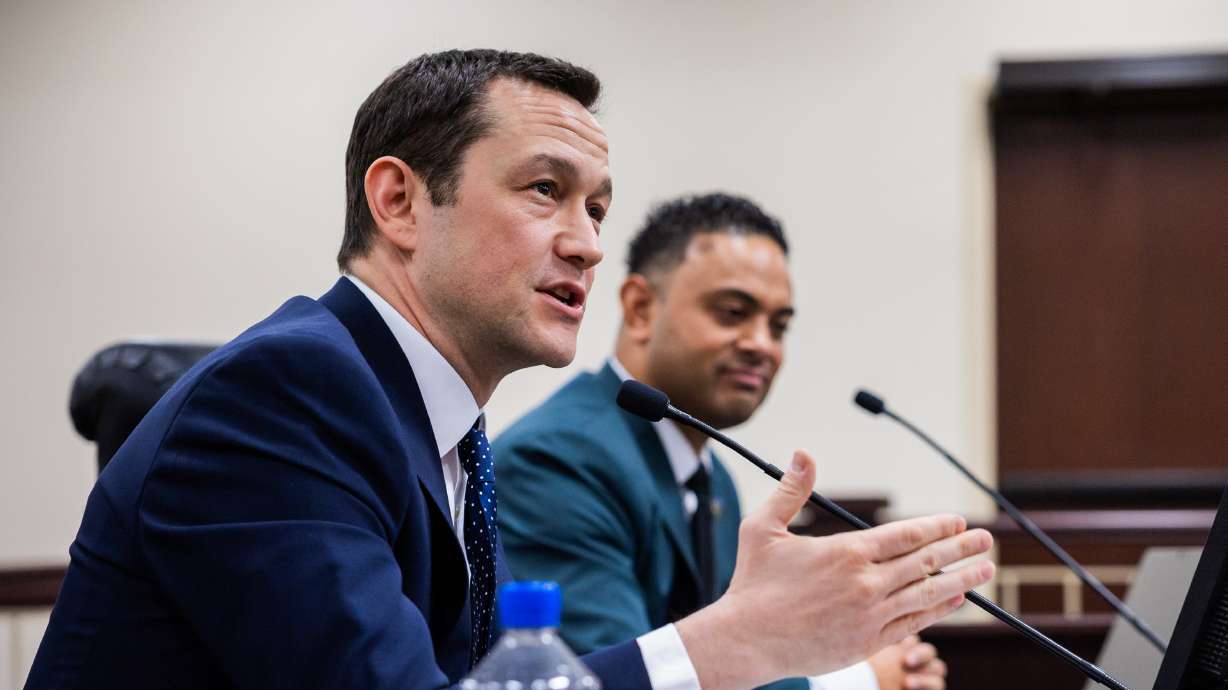
In a bold move, Golden Globe-nominated actor Joseph Gordon-Levitt recently took to the Utah Capitol to urge state lawmakers to pass a significant piece of legislature aimed at regulating artificial intelligence (AI) companies. His appearance underscored the growing public concern surrounding the ethical implications of AI technologies, particularly their impact on children.
Growing Concerns Over AI and Child Safety
Gordon-Levitt, widely recognized for his roles in Inception, The Dark Knight Rises, and 500 Days of Summer, leveraged his platform as a concerned parent of three to advocate for stricter regulations on powerful tech companies that he argues fail to prioritize child safety. Speaking before the House Economic Development and Workforce Services Committee, he expressed his disillusionment with what he called "amoral" tech firms that prioritize profit over people.
"Utah, as far as I understand, has been a leader in the past protecting kids against these predatory tech companies," he stated. "Now I think it's time for Utah to be that leader again." His appeal was heartfelt, urging committee members to pass HB286, a bill that requires AI developers to have actionable child safety plans.
The Momentum Behind HB286
The bill, spearheaded by Representative Doug Fiefia, R-Herriman, mandates that AI companies not only implement safety plans but also report safety incidents when they occur. This legislation aims to establish accountability in an industry that has been criticized for its lack of oversight. Gordon-Levitt labeled this need for regulation as urgent, contrasting the rigorous food safety laws with the lax regulations currently surrounding AI technologies.
"There are more laws in place governing how you make and sell a sandwich than there are governing this incredibly powerful, new revolutionary technology that's going to change all of our lives," he affirmed, highlighting the disconnect in regulatory frameworks.
The committee ultimately voted unanimously to advance the bill, impressively incorporating Gordon-Levitt's poignant argumentation into their deliberations.
Industry Pushback and Support from Parents
Interestingly, while the bill captured broad support, it was not without its detractors. Representatives from certain tech-focused organizations raised concerns over some vague language in the proposed regulations that they believe could limit innovation or be misinterpreted.
May Kennedy, chief of staff for the Abundance Institute, articulated her apprehensions, pointing to unclear definitions that might hinder effective governance. Similarly, Andrew Wood from TechNet criticized the potential for Utah to become "an outlier nationally," arguing that the bill could stifle innovation in the AI sector.
However, many parents and advocacy groups, including the Child First Policy Center, rallied behind HB286, echoing Gordon-Levitt's sentiments about the current state of AI's moral ambiguity and the pressing need for accountability. Elizabeth Jenkins, a mother of four, emphasized that the bill serves as "a tool for transparency and basic accountability that is deeply needed."
Gordon-Levitt's Continued Advocacy
This wasn't Gordon-Levitt's first foray into the AI conversation in Utah; he previously addressed attendees at the 2025 Utah AI Summit where he cautioned against allowing AI to supplant genuine human relationships. His ongoing involvement signifies a growing commitment to not just advocate for children but also foster a conversation about ethical responsibility in technology development.
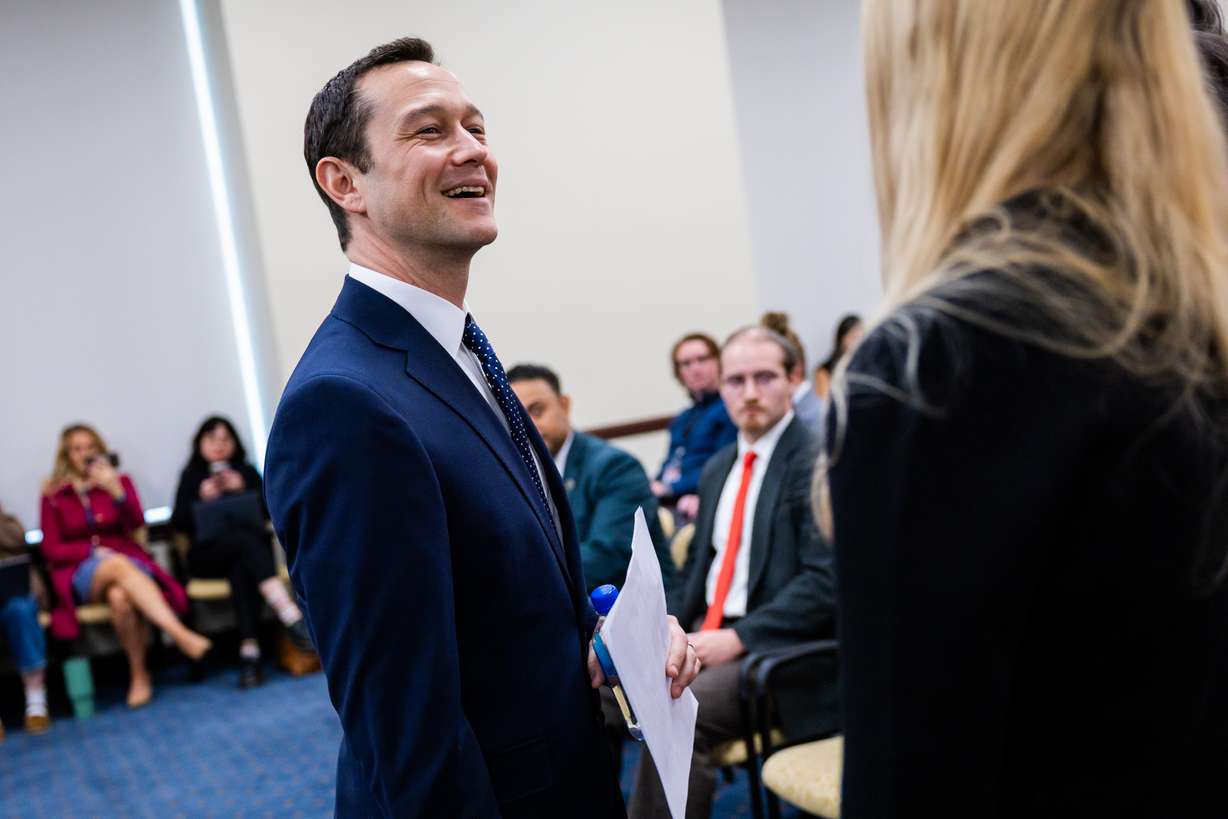
As Gordon-Levitt concluded his remarks at the Capitol, his presence provided a unique celebrity endorsement for a cause that resonates deeply with many Utah residents— the safety and well-being of children in an increasingly digitized world.
Looking Ahead
As HB286 makes its way to the full House of Representatives for consideration, it sets an important precedent for how state governments can grapple with the complexities of modern technology. The convergence of celebrity influence and grassroots advocacy highlights a pivotal moment where film stars can intersect with policy-making to protect vulnerable populations.
For more information about the bill and its implications, read the full text of HB286 and stay tuned for updates on this evolving story.
Related Articles
Reporters Bridger Beal-Cvetko and Daniel Woodruff are experienced journalists covering crucial topics in Utah and beyond.